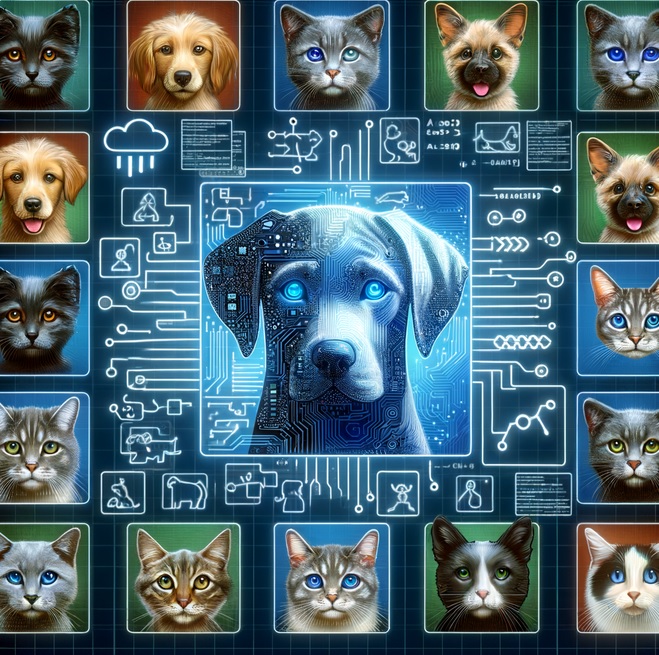
Pet facial recognition technology, powered by artificial intelligence, is transforming pet safety and management. This innovative technology offers a range of applications, from reuniting lost pets with their owners to enhancing security and providing personalized pet care.
Lost Pet Recovery:
One of the most significant benefits of pet facial recognition is its ability to aid in lost pet recovery. By creating extensive databases of pet facial images and leveraging sophisticated algorithms, AI systems can quickly and accurately identify lost pets, notifying shelters, veterinary clinics, and even individual pet owners. This technology significantly increases the chances of a happy reunion.
Theft Prevention and Identification:
Pet theft is a distressing reality for many pet owners. Facial recognition technology offers a powerful tool to deter theft and verify ownership. Microchip companies are integrating facial recognition with existing microchip identification, providing an additional layer of security. Even if a microchip is removed, the pet's unique facial features can be used to confirm its identity.
Smart Home Integration:
Pet facial recognition is seamlessly integrating with smart home devices, creating a more convenient and personalized pet experience. Smart feeders can recognize individual pets and dispense the appropriate food, while smart doors can grant access only to authorized pets. Home security systems can also utilize facial recognition to monitor pet activity and alert owners to any unusual behavior.
Veterinary Applications:
The potential of facial recognition extends to veterinary medicine. By analyzing facial expressions and features, AI systems may be able to assist veterinarians in diagnosing certain conditions, such as pain or anxiety. This technology could enable earlier detection and intervention, leading to improved treatment outcomes.
Challenges and Future Directions:
While pet facial recognition technology holds immense promise, challenges remain. Variations in fur length, facial expressions, and lighting conditions can affect accuracy. The size and quality of facial image databases also need continuous improvement. Ongoing research and development are focused on enhancing algorithms and expanding datasets to improve accuracy and reliability.
Building a Safer and Smarter Pet Ecosystem:
Pet facial recognition technology is creating a safer and more convenient environment for pets and their owners. From reuniting lost pets to enhancing security and providing personalized care, this technology is revolutionizing pet management. As the technology continues to evolve, it promises to become an indispensable tool for pet owners, contributing to the well-being and safety of our beloved companions.
Click to see and use more "Pet AI Tools" !