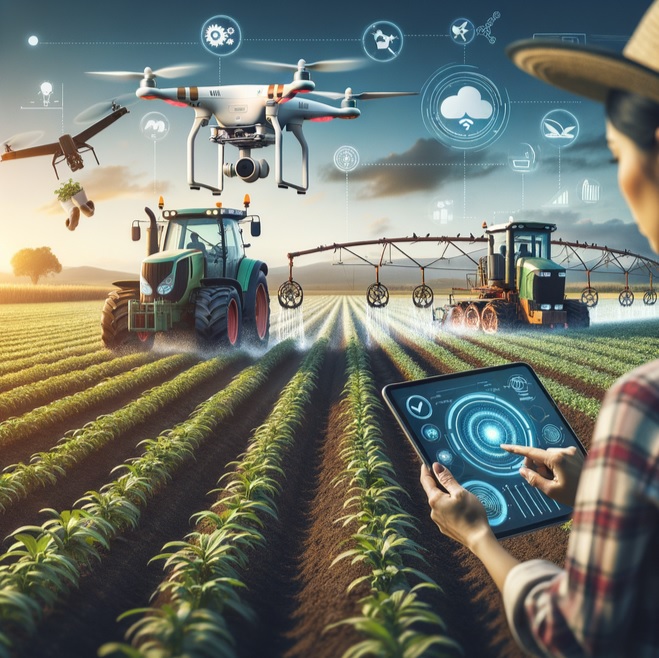
AI Agriculture Applications: Transforming Farming Practices
Artificial intelligence (AI) is revolutionizing agriculture, offering a suite of applications that enhance efficiency, sustainability, and profitability across the entire value chain. This article explores the diverse applications of AI in agriculture, highlighting their impact on various aspects of farming and food production.
1. Precision Crop Management:
AI algorithms analyze data from various sources, including drones, satellites, and on-the-ground sensors, to provide insights into crop health, soil conditions, and environmental factors. This enables farmers to:
- Optimize Irrigation: AI-powered irrigation systems deliver water precisely when and where it's needed, minimizing water waste and maximizing crop yields.
- Targeted Fertilization: AI algorithms determine the optimal fertilizer application rates based on soil nutrient levels and crop needs, reducing fertilizer waste and minimizing environmental impact.
- Precise Pest and Disease Control: AI-powered image recognition systems can identify early signs of pest infestations or disease outbreaks, enabling timely and targeted interventions.
2. Robotics and Automation:
AI empowers robots to perform various agricultural tasks autonomously, including:
- Automated Planting and Harvesting: Robots can plant seeds and harvest crops with greater precision and speed than traditional methods, addressing labor shortages and improving efficiency.
- Weed Control: Robotic weeders can identify and remove weeds without the use of herbicides, promoting sustainable farming practices.
- Spraying and Pruning: Robots can apply pesticides and prune plants with greater precision, minimizing chemical usage and optimizing crop growth.
3. Predictive Analytics:
AI algorithms analyze historical data, weather patterns, and market trends to provide predictive insights that support decision-making:
- Yield Prediction: AI can predict crop yields with greater accuracy, enabling farmers to optimize planting strategies and manage resources effectively.
- Disease and Pest Forecasting: AI can predict potential disease and pest outbreaks, allowing farmers to take proactive measures and minimize potential losses.
- Market Price Forecasting: AI can predict market price fluctuations, helping farmers make informed decisions about when to sell their crops.
4. Livestock Management:
AI applications are transforming livestock management practices:
- Precision Livestock Farming: Sensors and cameras monitor animal health, behavior, and feeding patterns. AI algorithms analyze this data to detect early signs of illness, optimize feeding strategies, and improve overall animal welfare.
- Automated Feeding Systems: AI-powered systems can automatically adjust feed rations based on individual animal needs, optimizing feed efficiency and reducing waste.
- Breeding and Genetics: AI can analyze genetic data to identify desirable traits and improve breeding programs.
5. Supply Chain Optimization:
AI is enhancing transparency and efficiency throughout the agricultural supply chain:
- Traceability and Food Safety: Blockchain and AI can track the origin and movement of food products, ensuring food safety and reducing food fraud.
- Inventory Management: AI can optimize inventory levels, reducing waste and improving supply chain efficiency.
- Demand Forecasting: AI can predict consumer demand for specific products, enabling farmers and retailers to optimize production and distribution.
6. Agricultural Research and Development:
AI is accelerating agricultural research and development:
- Crop Improvement: AI can analyze genomic data to identify genes associated with desirable traits, accelerating the development of new crop varieties.
- Drug Discovery: AI can be used to identify potential drug targets for animal health and crop protection.
- Sustainable Agriculture: AI can help researchers develop more sustainable farming practices by optimizing resource use and minimizing environmental impact.
Conclusion:
The applications of AI in agriculture are vast and continue to expand. By embracing these technologies, farmers, researchers, and other stakeholders can unlock new levels of efficiency, sustainability, and profitability, ultimately contributing to a more resilient and food-secure future.