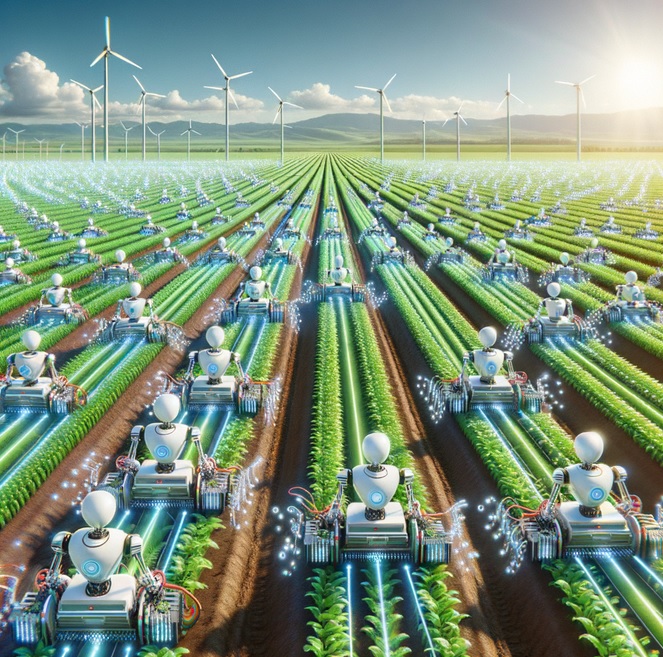
Agricultural Innovation: Cultivating a Future of Abundance
Agricultural innovation is the driving force behind advancements in food production, resource management, and the overall sustainability of the agricultural sector. It encompasses a wide range of activities, from developing new crop varieties and farming techniques to implementing cutting-edge technologies and fostering innovative business models. This article explores the importance of agricultural innovation, its key drivers, current trends, and the impact on the future of food and agriculture.
The Importance of Agricultural Innovation:
Agricultural innovation is crucial for addressing several key challenges:
- Feeding a Growing Population: With the global population projected to reach nearly 10 billion by 2050, agricultural innovation is essential for increasing food production to meet growing demand.
- Climate Change Adaptation and Mitigation: Agriculture is both vulnerable to and a contributor to climate change. Innovation is crucial for developing climate-resilient farming practices and reducing greenhouse gas emissions from agriculture.
- Resource Scarcity: Water, land, and other resources are becoming increasingly scarce. Agricultural innovation is needed to improve resource use efficiency and minimize environmental impact.
- Improving Food Security and Nutrition: Innovation can enhance the nutritional value of crops, improve food safety, and increase access to nutritious food for vulnerable populations.
- Enhancing Farmer Livelihoods: Innovation can help farmers increase their income, improve their working conditions, and build more resilient livelihoods.
Key Drivers of Agricultural Innovation:
Several factors are driving innovation in agriculture:
- Technological Advancements: Rapid advancements in areas such as biotechnology, information technology, and robotics are creating new opportunities for agricultural innovation.
- Consumer Demand: Growing consumer demand for safe, healthy, and sustainably produced food is driving innovation in food production and processing.
- Climate Change: The urgent need to adapt to and mitigate climate change is spurring innovation in climate-smart agriculture.
- Government Policies and Investments: Government policies and investments in agricultural research and development play a crucial role in fostering innovation.
- Private Sector Investment: Increasing private sector investment in AgTech is driving innovation and accelerating the adoption of new technologies.
Current Trends in Agricultural Innovation:
- Digital Agriculture: The increasing use of data analytics, artificial intelligence, and the Internet of Things is transforming agricultural practices.
- Precision Agriculture: Precision farming techniques are optimizing resource use and improving crop yields.
- Vertical Farming: Vertical farming offers a space-saving and resource-efficient approach to food production.
- Alternative Proteins: Plant-based and cell-based meat alternatives are gaining popularity, offering a more sustainable and ethical approach to protein production.
- Regenerative Agriculture: Regenerative farming practices are restoring soil health, sequestering carbon, and enhancing biodiversity.
Impact on the Future of Food and Agriculture:
Agricultural innovation will shape the future of food and agriculture in profound ways:
- More Sustainable Food Systems: Innovation will drive the transition towards more sustainable and resilient food systems.
- Enhanced Food Security and Nutrition: Innovation will contribute to greater food security and improved nutrition for all.
- Increased Productivity and Efficiency: Innovation will continue to drive improvements in agricultural productivity and efficiency.
- New Business Models and Opportunities: Innovation will create new business models and opportunities in the agricultural sector.
- Empowered Farmers: Innovation will empower farmers with the tools and knowledge they need to thrive in a changing world.
Conclusion:
Agricultural innovation is essential for addressing the complex challenges facing the agricultural sector and ensuring a food-secure and sustainable future. By fostering a culture of innovation and investing in research and development, we can unlock the full potential of agriculture to feed a growing population and protect our planet.